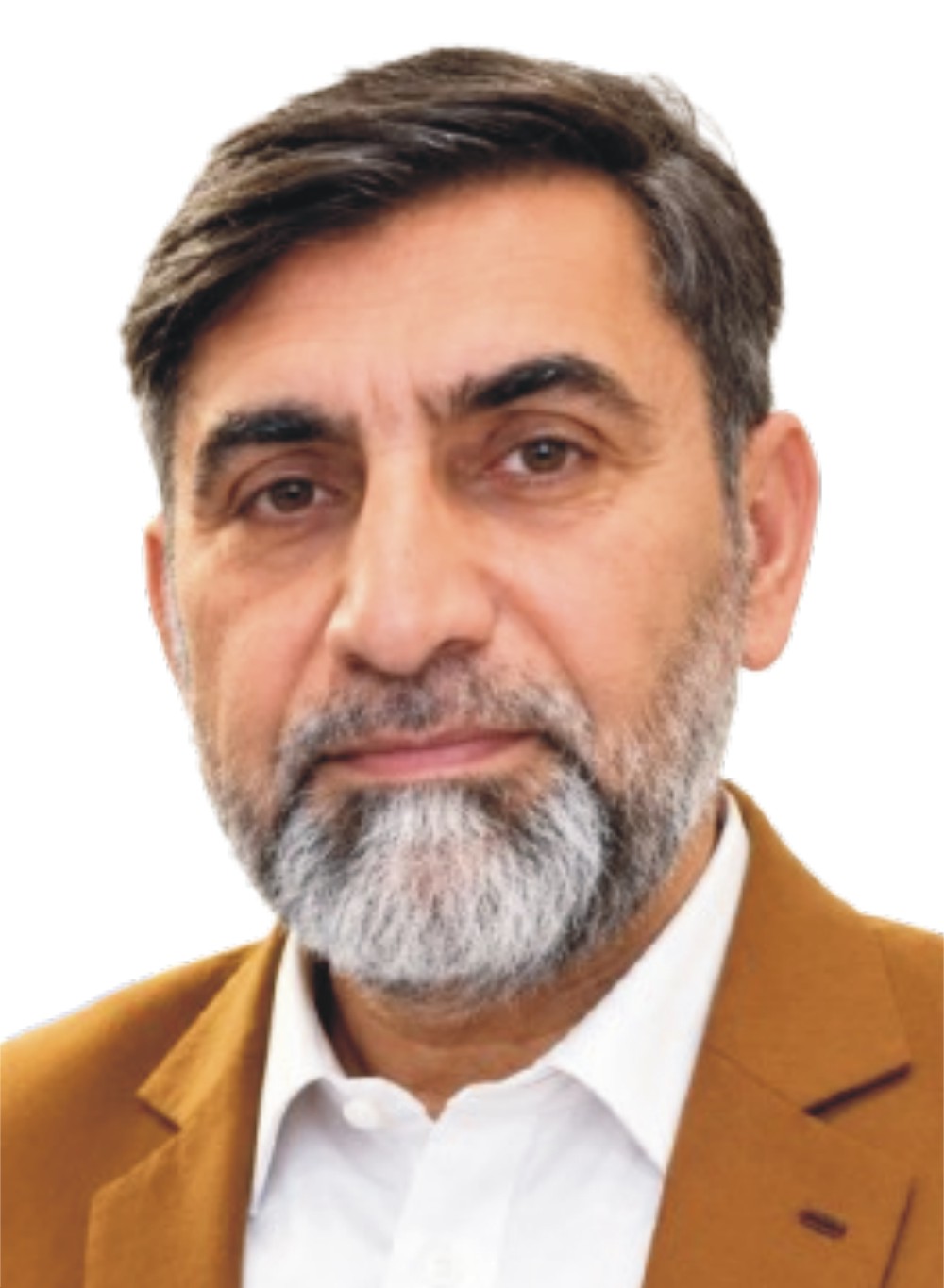
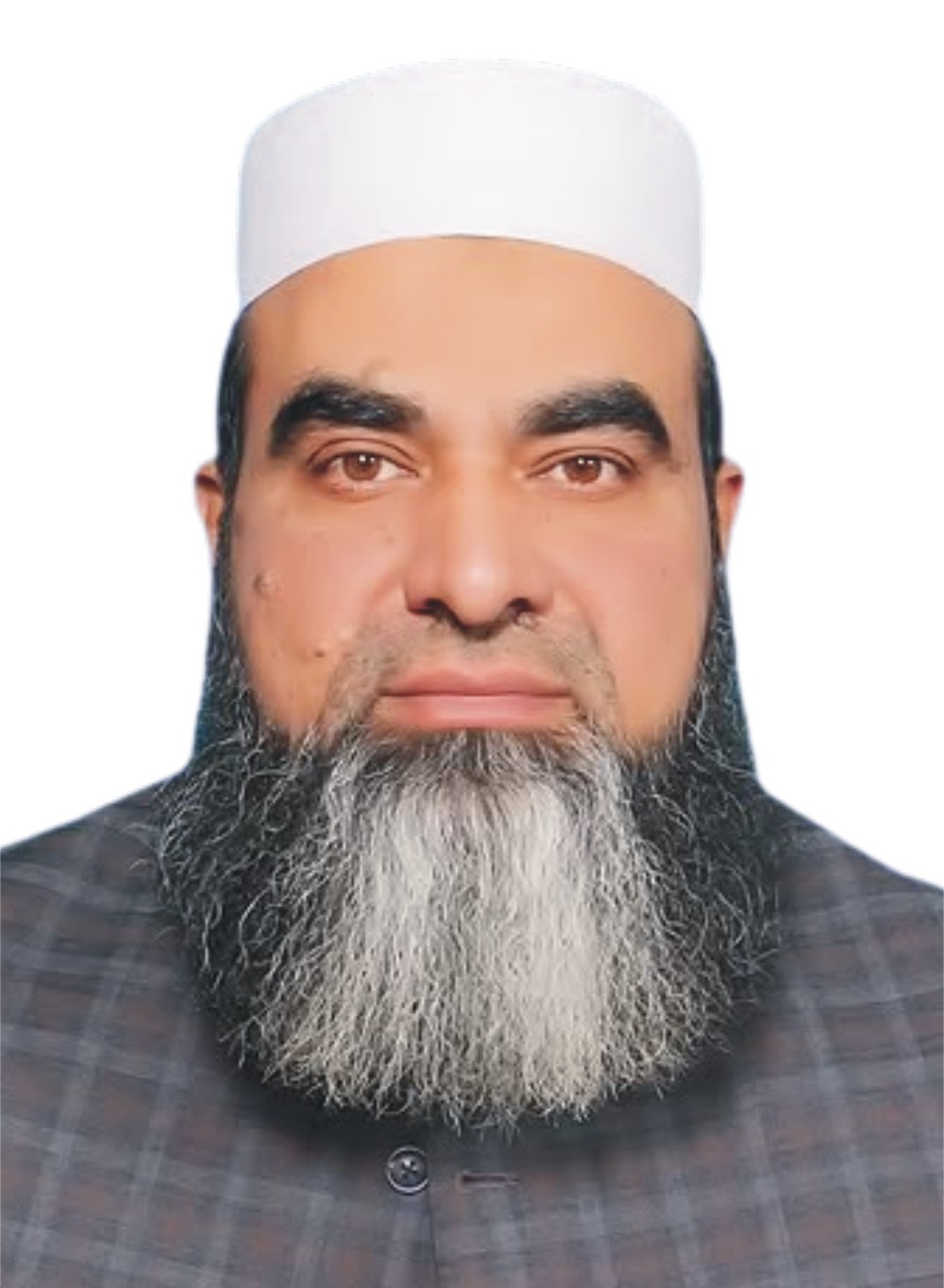
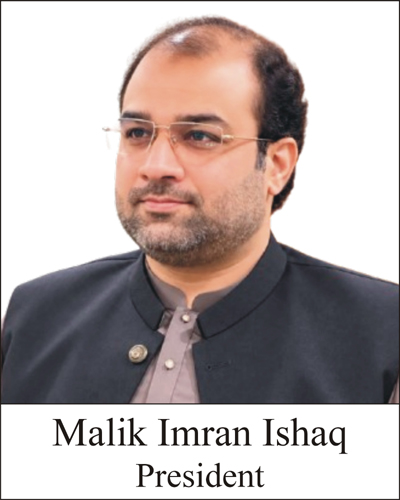
 It’s a matter of great pleasure and satisfaction that SCCI is achieving its objective of serving and protecting rights of the business community of Khyber Pakhtunkhwa for its economic prosperity.
SCCI recently have successfully convinced Khyber Pakhtunkhwa and federal governments for provision of electricity to KP industries on wheeling charges, gas supply on priority to KP consumers under article-158 of the constitution, 24/7 opening of Torkham border, withdrawal of with-holding tax on filers and compensation package for losses due to Bus Rapid Transit (BRT). Indeed, realization of constitutional rights will help usher into era of social and economic prosperity through utilization of abundant natural resources for industrial development for the ultimate benefit of its inhabitants and by attracting invaluable foreign investment.
SCCI while keeping its tradition alive is holding Investment Opportunities Conference (IOC) for drawing attention of investors for exploitation of sectors of tourism, hydel (micro/small hydel projects with 30,000 MW potential)/solar/wind energy, mineral (marble, granite, chromite, copper etc.), gemstones (emerald, topaz, tourmaline etc.), honey (20 kinds), agri-business (tobacco, tea, olive, veggies, fruits, dates, fresh/dry fruits, medicinal plants etc.), livestock (goats, sheep, calf, birds, ostrich, poultry, fishery etc.) etc. to overcome losses of business community incurred during war against terror, disasters, refugee influx and IDPs for the last 40-years.


.jpg)
Senior Vice President Sarhad Chamber of Commerce & Industry Naeem ur Rehman attended a reception held in Islamabad to mark the 35th Independence Day of the Republic of Tajikistan. On the occasion, he met Ambassador of Tajikistan H.E. Sharifzoda Yusuf and extended heartfelt felicitations on Tajikistan’s Independence Day. The two sides discussed the brotherly relations between Pakistan and Tajikistan, promotion of bilateral trade, and strengthening economic cooperation. Senior Vice President Naeem ur Rehman also extended a formal invitation to the Ambassador to visit the Sarhad Chamber of Commerce & Industry Peshawar, which was graciously accepted. During the reception, Naeem ur Rehman also met Federal Minister for Planning and Development Ahsan Iqbal, and exchanged views on matters of mutual interest and economic development. He also interacted with ambassadors, diplomats and prominent business personalities from various countries, with discussions focusing on opportunities for bilateral trade and investment.
.jpg)
Businessmen Forum Group Leader Ghazanfar Bilour and former President SCCI Zahidullah Shinwari and former President SCCI Hussnain Khurshid visited the Sarhad Chamber of Commerce & Industry (SCCI) to congratulate the newly elected office-bearers on assuming their respective responsibilities. They met with President Malik Imran Ishaq and conveyed their heartfelt congratulations and best wishes for a successful and productive tenure. The guests expressed their confidence in the new leadership and emphasized the importance of unity and collective efforts in addressing the concerns of the business community and promoting trade, industry, and economic development in Khyber Pakhtunkhwa.
.jpg)
Former President of the Sarhad Chamber of Commerce & Industry (SCCI), Junaid Altaf, visited the Chamber and met with the newly elected office-bearers President Malik Imran Ishaq, Senior Vice President Naeem-ur-Rehman, and Vice President Abid Parvez Awan. Junaid Altaf congratulated the newly elected leadership on assuming their respective offices and presented them with bouquets as a gesture of good will. He expressed his best wishes for their successful tenure and appreciated the continued efforts of the Chamber in serving the business community and promoting trade and economic development in Khyber Pakhtunkhwa.
.jpg)
A delegation of the Pakistan Flour Mills Association (KP), led by Chairman Muhammad Naeem Butt, met with SCCI President Malik Imran Ishaq, Senior Vice President Naeem-ur-Rehman and Vice President Abid Parvez Awan, and congratulated them on assuming their respective offices. The delegation included Haji Musarrat Shah, Haji Adnan Khan, Haji Yousaf Afridi, Muhammad Tariq, Hamza Jan and Secretary General Mansoor Siddiqui. They expressed their best wishes for the new leadership and reaffirmed their commitment to strengthening cooperation for the promotion of trade and industry in Khyber Pakhtunkhwa
 The Khyber Pakhtunkhwa is the northwest province of Pakistan. Its total population according to 1998 census is around 17.744 million with an average growth rate of 2.82 per cent. The economically active population ratio of the province is 19.40 per cent. The total area of the province is 74521 square kilometers excluding the tribal belt, which spreads over an area of 27220 square kilometers. There are 7 divisions, 24 districts, 59 tehsil / taluka, 7326 villages with 30 municipal committees, 13 town committees and 11 cantonments in the Khyber Pakhtunkhwa. The tribal belt consists of 7 agencies with 42 tehsil, 2559 villages and 5 town committees. The 1998 census puts the total population of federally administered tribal area at 3.176 million. The unemployment rate of the Khyber Pakhtunkhwa is 26.80 per cent and if the figures of the tribal areas are taken into account, it may swell over to 30 to 35 percent. The literacy rate in the Khyber Pakhtunkhwa is 35.40 per cent and that of the tribal area is 17.40 per cent.
 N O T I F I C A T I O N